
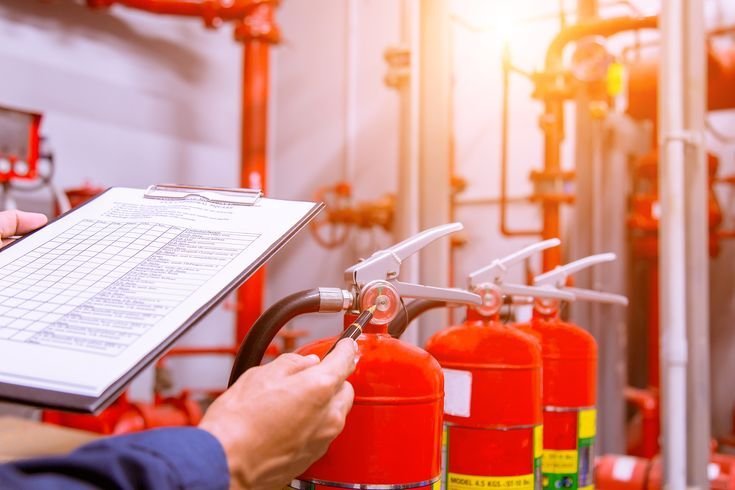
A certified fire hydrant system is one of the most essential safety installations in any residential, commercial, or industrial building. Fire accidents can happen anytime, and without a reliable fire fighting system, a small spark can become a massive fire emergency.
This complete guide explains why your building must have a certified fire hydrant system, its importance for compliance, safety, insurance, and emergency response.
1. What Is a Certified Fire Hydrant System?
A fire hydrant system is a fixed fire fighting network installed in a building.
It provides instant high-pressure water supply for firefighters and trained personnel.
Certification ensures it meets NBC, BIS, and local fire authority standards.
A certified system includes:
- Fire hydrant pump
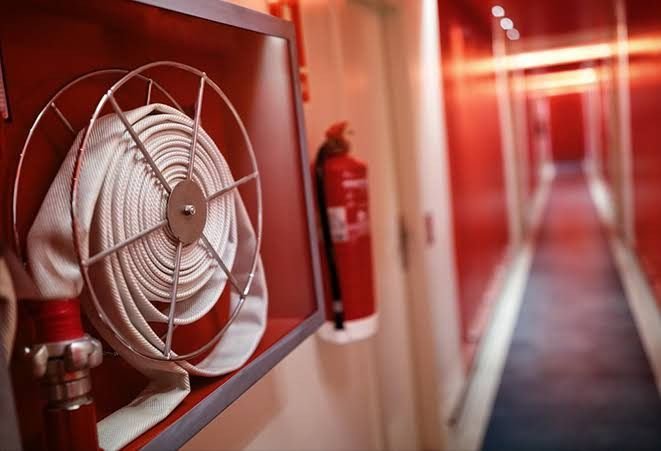
- Fire hose reel
- Landing valves
- First-aid fire hose
- Fire brigade connection
- Fire hydrant valves
- Main header
- Firewater storage tank
2. Why Certification Matters for Your Fire Hydrant System
A non-certified system may fail when needed most.
Certification ensures:
- Correct system design
- Proper water pressure
- Standard pipe size
- Tested valves and pumps
- Safety compliance
Government bodies require certification for fire NOC renewal.
3. Ensures 100% Fire Safety Compliance
A certified fire hydrant system protects your building from legal risks.
Every building above certain square footage must have a certified fire protection system.
Without certification, buildings may face:
Heavy penalties
Notice of non-compliance
Cancellation of fire license
4. Quick Fire Response Saves Lives
Fires can spread within 60–120 seconds.
A functional fire hydrant system allows immediate suppression.
Allows trained staff to act before fire trucks arrive.
Reduces injuries and ensures safe evacuation.
5. Mandatory for Fire NOC Approval
Fire NOC is required for:
- Factories
- Hospitals
- Schools
- Malls
- High-rise buildings
- Restaurants
Authorities demand certified inspection reports of your fire hydrant system.
Without it, the NOC may get rejected.
6. Reduces Risk of Property Damage
A certified hydrant ensures maximum water discharge during emergencies.
Prevents fires from spreading to other floors or neighboring buildings.
Protects expensive assets, machinery, and infrastructure.

7. Essential for Insurance Claims
Operational functionality
Insurance companies check whether your fire fighting system is certified.
Claims may get rejected if the system is non-functional or unapproved.
Certification proves:
System maintenance
Safety inspections
8. Guarantees System Reliability During Emergencies
Certified hydrants undergo pressure testing.
Pumps are tested for flow and discharge.
Valves and hoses meet BIS standards.
Ensures 100% operational readiness.
9. Supports Professional Firefighters
Firefighters rely on building hydrants for water supply.
A certified system ensures:
- Correct hydrant pressure
- Easy hose connection
- Continuous water flow
Helps them control fire quickly and safely.
10. Protects High-Risk Buildings
High-risk areas must always have a fire hydrant system:
- Factories
- Warehouses
- Chemical plants
- Power stations
- Hotels
- Commercial complexes
- Data centers
A certified hydrant system is a life-saving and asset-protection tool.
11. Works With Other Fire Safety Equipment
A certified hydrant integrates with:
- Fire sprinkler system
- Automatic sprinkler system
- Fire alarm system
- Fire extinguisher
- Fire safety equipment
Together, they provide 360° fire protection.
12. Helps Control Large-Scale Fires
Sprinklers control small fires.
Hydrants fight medium to large fires.
A certified system ensures the water flow is enough to handle massive fire spread.
Prevents structural collapse.
13. Ensures Safe Evacuation
Hydrants help delay fire spread.
Gives occupants time to evacuate safely.
Protects staircases, corridors, and exit paths.
14. Low Maintenance, Long Life System
A certified fire hydrant system lasts 20–25 years with regular maintenance:
- Pump check
- Valve inspection
- Hose pressure testing
- Pipeline flushing
- Rust-proofing
15. Provides 24/7 Emergency Protection
Unlike manual extinguishers, hydrants work anytime.
Always ready to deliver water.
Helps during night-time or holiday emergencies.
16. Improves Overall Building Safety Rating
Buildings with a certified fire protection system get:
- Higher safety rating
- Better tenant trust
- Higher resale value
- Higher rental income
Safety-certified buildings attract better clients and investors.
17. Cost-Effective Long-Term Protection
Prevents million-rupee losses due to fire.
Reduces long-term maintenance costs.
Lowers insurance premiums.
Increases building safety value.
18. Required for Industrial Operation Licenses
Industrial units need a certified fire hydrant system to:
- Start operations
- Renew licenses
- Pass safety audits
- Avoid shutdown notices
19. Prevents Legal Trouble During Fire Accidents
A certified hydrant system protects owners from:
- FIR
- Legal cases
- Safety violations
- Compensation claims
Legal compliance is essential for every property owner.
20. Every Modern Building Must Have It
Because:
- Fire safety laws are strict
- Fire hazards are increasing
- Building sizes are bigger
- Human lives are valuable
A certified hydrant system is not optional—it is mandatory.
Conclusion
A certified fire hydrant system is the backbone of any fire safety infrastructure. It ensures protection, compliance, fast response, and complete building safety. Whether you own a commercial property, industrial unit, or residential high-rise, investing in a certified fire fighting system is essential.
It not only saves lives but also protects your building from legal issues, financial loss, and major fire disasters.
5 FAQs
A fire hydrant system provides high-pressure water supply to fight medium and large fires effectively.
Yes, commercial, industrial, and high-rise buildings must have a certified system to meet fire safety rules.
Every 3–6 months for pressure, pumps, valves, and water storage tank.
No. Fire NOC requires certified inspection and approval from fire authorities.
A sprinkler system controls small fires automatically, while a hydrant system fights large fires manually through hoses and valves.
- automatic sprinkler system
- best fire service
- fire
- fire alaram
- fire alaram service
- Fire brigade
- fire fighter
- fire fighting company
- Fire fighting contractor
- Fire fighting extinguishers
- Fire fighting services
- Fire fighting services near me
- fire fighting system
- fire hydrant system
- fire protection companies
- fire protection equipment
- fire protection equipments
- fire protection services
- fire protection system
- fire safety
- fire safety equipment
- fire safety ppe
- fire service
- fire service in delhi
- fire service in india
- fire sprinkler companies
- fire sprinkler companies near me
- fire sprinkler system
- fire suppression system
- Fire tender service
- fire work
- passive fire protection
- trusted fire alaram service
- TRUSTED FIRE SPRINKLER SYSTEM
- About Us
- AMC (Annual Maintenance Contracts)
- Blog
- Certifications
- Clients
- Company Overview
- Contact Us
- NOC (No Objection Certificate from Fire Department)
- Our Mission
- Our Vision
- Personal Protective Equipment
- Privacy Policy
- Services
- Terms & Conditions
- Testimonials
- Trusted Fire Alarm System (Conventional & Addressable) service in (Gurgaon) Delhi NCR
- Trusted Fire Hydrant System service in (Gurgaon) Delhi NCR
- Trusted Fire Pump Room Setup service in (Gurgaon) Delhi NCR.
- Trusted Fire Sprinkler System service in (Gurgaon) Delhi NCR
- Trusted Fire Suppression System service in (Gurgaon) Delhi NCR
- Best Fire Alarm System in Gurgaon Delhi – Affordable Price with Fast Installation
- Affordable Fire Alarm System Installation in Gurgaon – Complete Fire Protection Services in Delhi NCR
- Fire Protection & Fire Alarm Services in Gurgaon – Sprinkler, Hydrant & AMC Experts
- Top Fire Protection Services in Gurgaon – Fire Alarm, Sprinkler & Fire Fighting Systems
- Best Fire Protection Company in Gurgaon – Fire Alarm, Sprinkler & Fire Fighting Services
automatic sprinkler system best fire service fire fire alaram fire alaram service Fire brigade fire fighter fire fighting company Fire fighting contractor Fire fighting extinguishers Fire fighting services Fire fighting services near me fire fighting system fire hydrant system fire protection companies fire protection equipment fire protection equipments fire protection services fire protection system fire safety fire safety equipment fire safety ppe fire service fire service in delhi fire service in india fire sprinkler companies fire sprinkler companies near me fire sprinkler system fire suppression system Fire tender service fire work passive fire protection trusted fire alaram service TRUSTED FIRE SPRINKLER SYSTEM